
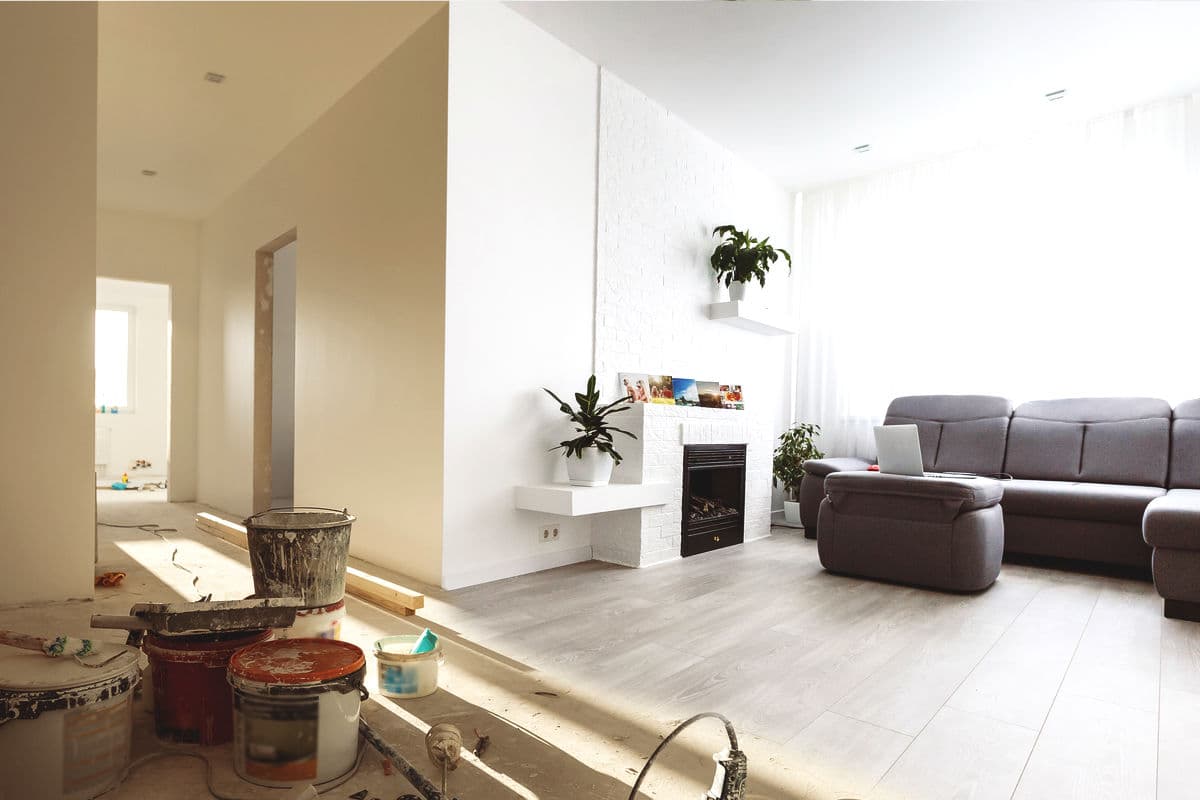
A finished renovation can look beautiful and still feel unfinished.
Construction dust settles everywhere, protective films leave residue, and small marks show up on surfaces you thought were clean. That last step, turning a jobsite into a move-in-ready space, is what post-construction cleaning is for.
This guide explains what proper post-construction cleaning involves, why it’s different from standard house cleaning, and the order of operations that makes it safer and more effective.
What post-construction cleaning actually means
Post-construction cleaning is not just sweeping and hauling debris.
It’s a detail-oriented clean that removes the fine dust, adhesive residue, and “jobsite evidence” left behind after building, remodeling, or repairs. The goal is a space that feels finished: clean to the touch, safe to occupy, and ready for real life.
It typically includes work like:
- Removing stickers, tape residue, and protective films
- Cleaning walls, trim, doors, and baseboards where dust clings
- Wiping cabinets, shelves, and built-ins inside and out
- Cleaning windows, frames, and tracks
- Detailing kitchens and bathrooms, especially fixtures and tile
- Deep vacuuming and careful floor cleaning
The key difference is dust. Construction dust is not the same as everyday dust, and it behaves differently.
Why post-construction cleaning is different from regular cleaning
Regular cleaning assumes a space is lived in and needs maintenance.
Post-construction cleaning assumes the opposite: there is fine particulate dust on surfaces you can’t always see, and it will keep settling for a while. If you clean in the wrong order, you wipe a surface and then dust falls right back onto it.
That’s why the sequence matters.
The safest order of operations
A practical order looks like this:
- Remove debris first. Clear packaging, scraps, and larger dust piles.
- Dry dust top-down. Start high (ceiling corners, vents, light fixtures), then work down. Use vacuum attachments and dry microfiber rather than wet wiping right away.
- Detail surfaces. Wipe walls where needed, then trim, doors, cabinets, and built-ins.
- Adhesives and stickers. Remove films and residue carefully with the right product for the surface.
- Wet cleaning last. Finish with kitchen and bath detailing, then floors.
Floors are last because everything falls onto them.
Tools and materials that matter
Post-construction cleaning usually requires a few specific tools:
- A vacuum with a good filter and attachments (fine dust needs proper filtration)
- Microfiber cloths (they capture dust rather than push it around)
- A gentle scraper or plastic putty tool for removing stickers (used carefully)
- Surface-appropriate cleaners for glass, tile, and finished wood.
If you’re working around fresh paint, new floors, or recently sealed surfaces, use caution. Some finishes need cure time, and harsh scrubbing too early can cause damage.
A practical checklist for a move-in-ready finish
Use this as a guide and adjust for the project.
Start by walking the space and identifying the “dust zones” and the “touch zones”:
- Dust zones: vents, ceiling corners, window tracks, tops of door frames
- Touch zones: cabinet pulls, light switches, handrails, appliance handles
Then work through:
- Windows, frames, tracks
- Cabinet interiors and shelves
- Kitchen surfaces and appliance exteriors
- Bathrooms: tile edges, fixtures, mirrors
- Baseboards and trim
- Final vacuum of all edges and corners
- Floor cleaning appropriate to the material
If you do one final walkthrough after everything is done, you’ll usually catch the small misses that make a space feel “still under construction”.
A note about safety and standards
You mentioned OSHA in the original post. It’s important not to overpromise here.
OSHA standards generally apply to workplace safety and jobsite conditions, not a universal “post-construction cleaning standard” for every residential project. The safer framing is: post-construction cleaning should be done with attention to dust control, proper PPE when needed, and safe use of products and tools.
If a project is commercial or involves specific site rules, follow the job’s safety requirements and documentation.
Why this step matters
Post-construction cleaning is the bridge between “work completed” and “space ready”.
When it’s done well, the project feels finished. Surfaces feel clean to the touch, the air feels lighter, and clients walk into a space that matches the quality of the work.
If you’re wondering…
More practical guidance lives in Home Care & Maintenance. Subscribe if you’d like future posts delivered without digging.