
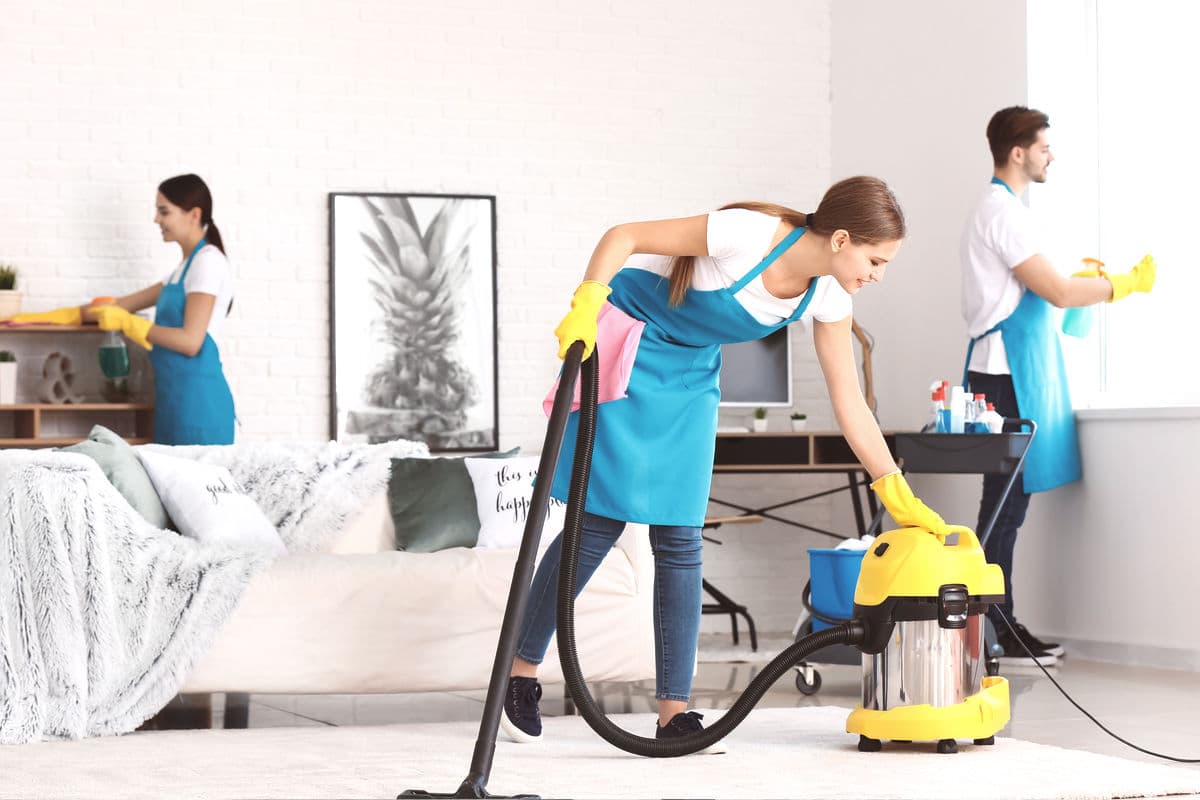
Hiring a housekeeping company is less about having a perfect home and more about protecting your time and your baseline.
Most households can clean. The issue is consistency. When life gets busy, cleaning becomes a weekend project, and the home slowly drifts until it feels like you need a full reset to catch up.
A housekeeping company can help because it turns cleaning into a predictable system. But the value is not automatic. The difference between “this is a relief” and “this is a headache” comes down to scope, trust, and expectations.
What “housekeeping” usually means
The word housekeeping can mean different things.
In many cases, it refers to ongoing maintenance cleaning: bathrooms, kitchen surfaces, floors, dusting, and general reset.
In other cases, people expect more house management: making beds, light tidying, dishes, or laundry.
Neither is wrong, but you want clarity. If you expect housekeeping and the service is providing cleaning only, you will feel disappointed even if the cleaning is done well.
Before you hire anyone, define what you want handled every visit and what is optional.
The real advantage: consistency, not special equipment
A lot of marketing focuses on tools and products. Those matter less than you think.
The biggest advantage of a recurring cleaning service is that it prevents build-up. Bathrooms do not get a chance to develop heavy film. Kitchens do not accumulate grease and sticky touch points. Floors stay easier to maintain. Dust is handled before it becomes a layer.
That is what makes the home feel healthier and easier to live in. Not a single “perfect clean,” but a steady baseline.
How scheduling usually works
Most services offer one-time cleans and recurring schedules.
Weekly is helpful in high-traffic homes, especially with kids, pets, and daily cooking.
Every two weeks is the most common starting point because it keeps build-up manageable without feeling excessive.
Monthly can work for smaller homes or households that keep up with daily resets but want help with the deeper tasks that never happen.
Whatever schedule you choose, expect the first visit to take longer. That is normal. The home is being brought up to baseline and the cleaner is learning the space.
Do you need to be home?
Usually, no. Many people prefer to be home for the first visit so priorities are clear, then use a simple access plan after that.
What matters is that the scope and standards are clear enough that the job does not require supervision.
If a service depends on you being present every time for it to go well, the system is fragile.
Trust, safety, and accountability
Contracting with a company is ultimately a trust decision.
You want to know who is coming into your home, how they are screened, and what happens if something goes wrong.
Ask directly about:
- Whether the company is insured.
- How staff are hired, trained, and supervised.
- Whether you will have the same cleaner or a rotating team.
- How they handle breakage, damage, or missed tasks.
A professional service should have straightforward answers. If the response is vague, it is a warning sign.
What to ask before you sign anything
You do not need a long interview. You need the basics:
- Ask for a written scope or checklist that shows what is included in a standard clean
- Ask what is considered deep cleaning and what is excluded
- Ask how pricing works if the home needs extra time
- Ask about cancellation and rescheduling rules
- Ask about products, especially if you prefer fragrance-free or have pets
These questions prevent most misunderstandings.
If you want the best results, do this one thing
Before each visit, do a quick pickup.
Not a pre-clean. Just clear surfaces and floors of loose items so the cleaner can spend time on real cleaning instead of moving objects around.
That small step makes the service feel more effective and helps the home stay closer to baseline.
When contracting makes the most sense
A housekeeping company is most useful when you want consistent support, not occasional rescue.
If you keep falling into cycles of “ignore, then panic clean”, recurring help can break that pattern.
If your home is already fairly under control, contracting can still be worth it when you want time back and prefer a predictable baseline.
Quick answers
Continue in Home Care & Maintenance for realistic home upkeep advice. Subscribe to stay in the loop when new pieces go live.