
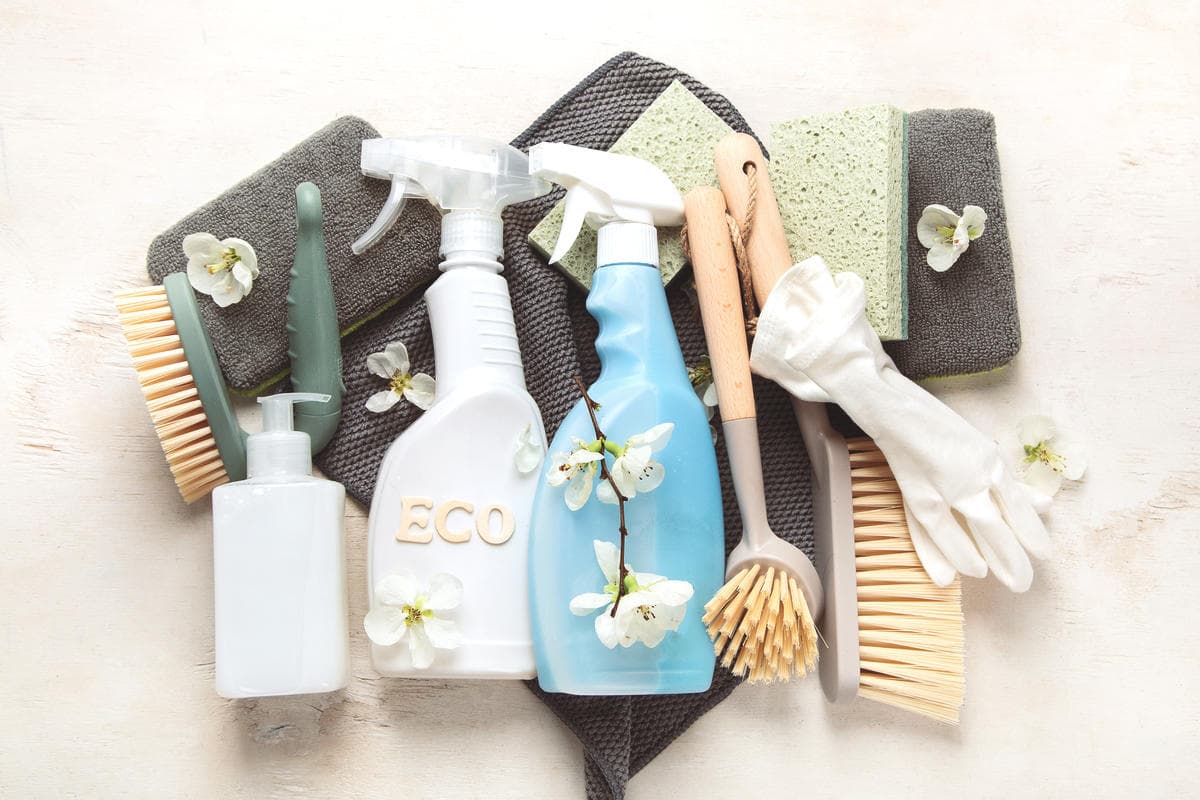
A “green cleaning service” is a cleaning service that tries to reduce environmental impact and reduce exposure to harsher chemicals, while still delivering a clean, hygienic home.
That sounds straightforward, but the phrase green cleaning is used loosely. Some services mean “fragrance-free and milder products”. Others mean “third-party certified products and strict dilution practices”. Some simply mean “we use whatever says eco on the label”.
If you care about sustainability, indoor air quality, sensitivities, or pets and kids, it helps to know what to look for – and what to ignore.
What makes a cleaning service “green” in practice
A truly green approach usually shows up in a few concrete ways.
1) Safer product choices (and safer use)
Green cleaning is not only about the ingredient list. It is also about how products are used.
A service that takes this seriously will usually:
- Use products designed to reduce harsh fumes and unnecessary additives.
- Follow proper dilution and dwell time (using more product than needed is wasteful and can leave residue).
Avoid mixing products and avoid “strong smell equals clean” thinking.
2) Third-party standards, when possible
Because “green” is not a regulated term in everyday marketing, third-party labels can help.
Some services prefer products that meet widely recognized standards (for example, Safer Choice, Green Seal, or similar programs). The point is not the logo. The point is that someone other than the brand has a standard for what is allowed.
If a service cannot explain why a product is “green” beyond a vague claim, treat it as a marketing phrase, not a guarantee.
3) Practices that reduce waste
Environmental impact is not only chemical. It is also packaging, waste, and consumption.
Green-minded services often:
- Use reusable microfiber cloths and washable tools rather than disposable wipes
- Reduce single-use plastics where possible
- Use concentrated products (less packaging and shipping impact) and refill systems
4) Indoor air quality awareness
Many people choose green cleaning because they want fewer fumes and less lingering fragrance.
A good green service will be comfortable discussing:
- Fragrance-free options
- Ventilation during cleaning
- Avoiding aerosol sprays when not needed
This matters in small apartments, homes with kids, and households with asthma or sensitivities.
Not all products labeled “green” meet the same standards. In New York State, approved green cleaning products are evaluated against specific environmental and health criteria. The Office of General Services maintains an official list of approved products used by public facilities.
🌿 Approved Green Cleaning Products List
Common myths about green cleaning
A few claims show up repeatedly. They sound good, but they can mislead.
“Natural means non-toxic”
Not always. Plenty of natural substances can irritate skin or lungs. “Natural” is not the same as “safe”.
“Green products never cause allergies”
Also not true. Fragrances (even “natural” essential oils) can trigger reactions. If you have sensitivities, fragrance-free matters more than “plant-based”.
“Green cleaning cannot disinfect”
Green cleaning can still be effective. The key is matching the method to the job.
Routine cleaning is usually about soil removal and reducing residue. Targeted disinfection may be useful in specific situations (illness in the home, raw meat prep surfaces, certain bathrooms). You do not need high-level disinfection everywhere, every day.
Why people choose green cleaning
Most households choose it for a mix of practical reasons:
- Less fragrance and fewer harsh fumes
- Preference for lower-impact products and reduced waste
- Peace of mind around kids and pets, especially on floors and common surfaces
A cleaning routine that feels “lighter” on the home without sacrificing results.
What to ask before you hire a green cleaning service
If you want real answers fast, these questions usually cut through the marketing.
Ask:
- What products do you use and why?
- Do you offer fragrance-free cleaning?
- Do you use disinfectants by default, or only by request?
- How do you handle dilution and product safety (especially in kitchens and bathrooms)?
- Will you use my products if I prefer a specific brand?
A service that truly operates with a green mindset will answer clearly and without defensiveness.
If you want to “go greener” without hiring anyone
You can improve your household cleaning footprint with a few simple changes.
- Use microfiber cloths and wash them
- Choose a small set of products you understand and can use correctly
- Avoid heavy fragrance
- Use the least product needed and focus on technique
Most of the benefit comes from consistency and good habits, not from buying a shelf full of labeled bottles.
Common questions
More product insights live in Products, Tools & Supplies. Subscribe to stay updated as we test and publish.