
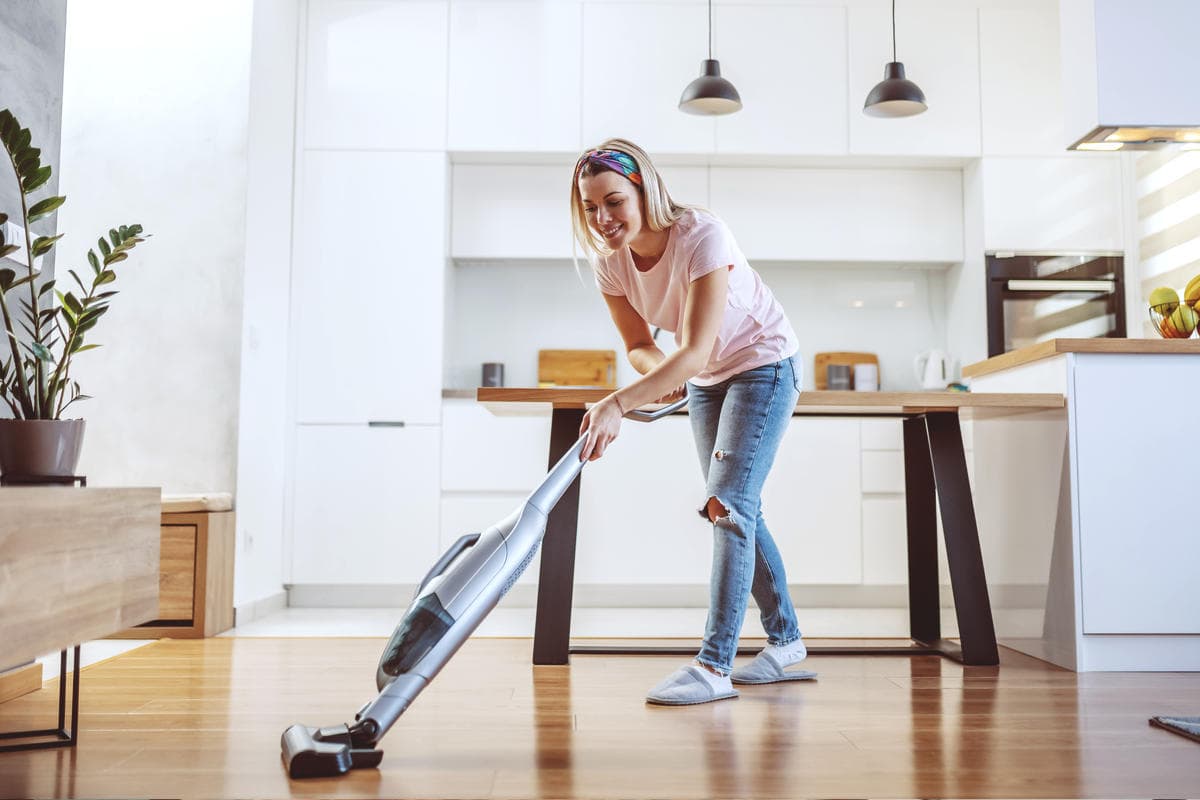
Keeping a home clean is not hard because people don’t care. It’s hard because life keeps happening.
Work runs late. Kids drop backpacks and snacks everywhere. Laundry multiplies. You tidy one room, and the kitchen is already drifting again.
A good house cleaning plan – whether you do it yourself or bring in help – starts with one decision: what level of clean are you aiming for most of the time?
This guide breaks down what “house cleaning” usually includes, how deep cleaning fits in, and how to set up a routine that works in a real household.
What house cleaning usually includes
Most cleaning falls into two categories: standard cleaning and detail cleaning.
Standard house cleaning (the baseline)
This is the recurring clean that keeps the home from drifting too far. It focuses on the areas that affect comfort and hygiene week to week:
- Bathrooms and kitchen surfaces
- Floors in main traffic areas
- Dusting of reachable surfaces
- Trash and quick tidy so surfaces are accessible
Detail cleaning (the rotating deeper work)
Detail cleaning targets the “slow build” areas that don’t need weekly attention, but make the home feel truly refreshed when they’re handled:
- Baseboards and door frames
- Cabinet fronts and handles
- Grout lines and shower door tracks
- Window sills and ledges
- Appliance deep cleaning (hood, drip pans, inside microwave)
- Under-furniture edges and corners
A realistic approach is to keep the baseline consistent, then rotate one detail zone each visit or each month.
Room-by-room: what’s typically cleaned

Cleaning Checklist
A simple checklist you can print and reuse: download the checklist.
Kitchen
A practical kitchen clean focuses on the surfaces you touch daily and the areas where grease and residue build.
Most standard kitchen cleaning includes:
- Counters wiped and sanitized appropriately
- Sink and faucet cleaned
- Stovetop surface wiped
- Exterior of appliances (as needed)
- Cabinet fronts and handles (spot cleaned)
- Floor vacuumed/swept and mopped
Deeper kitchen add-ons can include:
- Inside microwave
- Oven interior (if requested)
- Range hood exterior and filters
- Drip pans or glass-top detailing
- Refrigerator door edges and seals
- Pulling out fridge (only when safe and feasible)
Bathrooms
Bathrooms usually get the most consistent benefit from recurring cleaning.
Standard bathroom cleaning often includes:
- Toilet cleaned (inside and outside)
- Sink, faucet, and counter wiped
- Mirror cleaned
- Tub/shower surface wiped
- Floors vacuumed/mopped
- High-touch areas wiped (switch plates, handles)
Deeper bathroom details can include:
- Grout scrubbing
- Shower door tracks and fixtures detailed
- Cabinet fronts wiped fully
- Baseboards and window sills hand-wiped
- Drains and faucet crevices cleaned with a small brush
Bedrooms, living areas, and hallways
In most homes, these areas need a consistent baseline more than heavy chemical cleaning.
Typical tasks include:
- Dusting reachable surfaces (shelves, tables, nightstands)
- Cobweb removal in corners
- Vacuuming carpets and rugs
- Mopping hard floors as needed
- Spot cleaning fingerprints on light switches and doors
Optional add-ons:
- Bed linen changes
- Under-furniture vacuuming in accessible areas
- Upholstery vacuuming
- Baseboards and door frames hand-wiped
Laundry room and utility areas
These areas often become “invisible mess” zones.
A basic clean might include:
- Wiping the exterior of washer and dryer
- Cleaning lint trap area and door edges
- Sweeping around machines
If you want a deeper reset, add:
- Wiping behind and under machines (only when safe)
- Dusting vents and utility shelves n ## How to schedule house cleaning There is no perfect schedule, but there are predictable patterns.
- Weekly works well for kids, pets, high-traffic homes, and people who want the home to stay near baseline.
- Biweekly works for many households that can do light maintenance between visits.
- Monthly can work if the home stays fairly stable and you mainly want periodic support.
If the home is behind, a one-time reset clean first can make recurring visits feel much more effective.
How to set expectations so it’s not stressful
The easiest way to avoid disappointment is to make the “baseline” clear.
A simple scope looks like:
- The rooms included
- The top priorities (kitchen, bathrooms, floors, dust)
- Any “do not touch” items or fragile surfaces
- Product preferences (especially fragrance-free)
- What counts as an add-on (inside oven, inside fridge, heavy grout work)
The goal is clarity, not perfection.
Preparing the house for cleaning
A cleaner can clean. They can’t clean through clutter.
If you want the best results, do a quick pre-clean reset:
- Clear counters as much as possible
- Pick up floors (toys, clothes, cords)
- Put away personal paperwork and valuables
- Note any special concerns (stains, delicate finishes)
Even 10–15 minutes makes the visit more efficient and improves results.
Products: “green” doesn’t have to mean vague
If you prefer lower-odor or lower-toxicity products, say so.
The most practical approach is to focus on:
- Fragrance-free or low-fragrance products
- Ventilation during bathroom cleaning
- Using the smallest effective amount of product
- Not mixing products
Good technique often matters more than having a “perfect” product list.
A simple way to keep the home maintained between visits
If you want weekly cleaning to feel effortless, keep your in-between plan small.
A good in-between baseline is:
- 10-minute nightly pickup (main surfaces and floors)
- Quick bathroom wipe mid-week (sink and toilet touch points)
- One laundry step daily (start, switch, fold, or put away)
That’s enough to keep the home from sliding.
Printable Checklists
If you want a ready-to-use checklist for house cleaning and rotating deep-clean tasks, use our printables.
Explore Cleaning Routines & Schedules for systems you can actually keep up with. Subscribe to get new routines and planners as they’re published.